
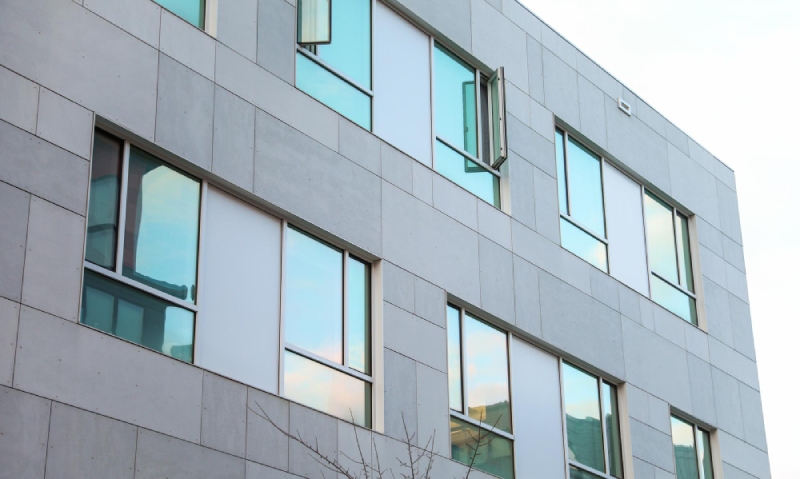
Two terms used frequently when it comes to protecting and enhancing the exterior of a building include cladding and siding. These words are used interchangeably by many homeowners, yet there are some significant distinctions between them. The difference between cladding and siding can enable you to make superior decisions regarding your house, particularly in terms of durability, looks, and future value.
The exterior of a structure is always exposed to weather, pollution, and temperature fluctuations. Selecting the appropriate exterior material not only influences the appearance of the home but also its functionality in the long run. The consequence of a wrong choice may be increased maintenance costs, energy loss, or premature replacement.
In this guide, we are going to explain explicitly siding vs cladding, how each is used and why aluminum siding and aluminum cladding have become a popular choice in the construction of homes these days. At the end, you will understand which option can best fit your project.
What Is Siding?
Siding is an exterior coating that directly covers the outside walls of a house. It is predominantly applied in residential houses and low-rise structures. Siding is most commonly mounted in horizontal or vertical panels, slightly overlapping. This overlapping structure aids in the free flow of water and the prevention of moisture inside the walls.
Since siding is attached directly to the building, it is primarily used as surface protection. It protects the house from rain, wind, snow, and sunlight, and enhances curb appeal. Siding can be done with a variety of materials, such as vinyl, wood, fibre cement, and metal, giving homeowners a broad selection of design choices.
The primary reason siding is a common choice is that it is easy to repair and install. Should one of the panels get damaged, it may often be changed without disturbing the rest of the exterior.
What Is Cladding?

Cladding is not just a mere exterior covering. It usually forms a complete wall system with insulation, air gaps, and moisture barriers. Cladding panels are not attached directly to the wall, but instead are mounted on a framework to separate the panel from the building structure.
This is designed to control moisture and improve air circulation around the building. Cladding systems minimize the risk of trapped water, which can lead to mould or structural damage over time. Due to these benefits, cladding is widely applied in commercial buildings and is increasingly popular in contemporary residential buildings.
Cladding vs Siding: The Core Differences
In the cladding vs siding comparison, the key distinction is in the performance and structure. Siding focuses on surface defence and appearance, whereas cladding is a complete protective framework that enhances insulation, airflow, and damping.
Siding can be faster and cheaper to install, and therefore is used in renovations and low-cost construction. Cladding generally involves additional planning and costs in materials and a skilled workforce, but it has better long-term performance. Such variations play a significant role in making a decision between siding and cladding.
Appearance and Design Differences
Another major difference between siding and cladding is the visual style. Siding is commonly associated with classical house designs and common textures. It fits in seamlessly with existing neighbourhoods and has a traditional appearance that many homeowners would like.
Cladding is often chosen for its clean lines and modern look. Bold contemporary designs are frequently created using exterior aluminum cladding panels. Cladding enables architects and homeowners to be more flexible with a building’s overall appearance.
Understanding Aluminum Siding
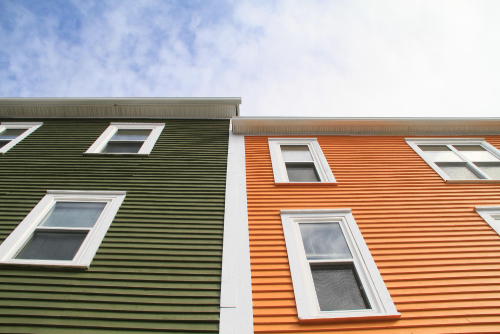
Aluminum siding has long been in use and is appreciated because it is strong and reliable. Aluminum siding for homes is lightweight, rust-resistant, and does not rot, warp, or crack like wood. This is particularly applicable to regions with severe or fluctuating weather patterns.
The aluminum siding panels are closely fitted to create a clean and durable finish. They come in a variety of finishes and colours, providing homeowners with the flexibility to design the look of their home and enjoy long-term protection.
Benefits of Aluminum Siding Installation
Durability is one of the primary advantages of installing aluminum siding. Aluminum siding, when properly installed, can last for several years with minimal upkeep. It is not appealing to pests and does well in hot and cold environments.
It is necessary to work with experienced aluminum siding contractors. When installed properly, the panels would be secure, well-aligned, and sealed. This reduces the risk of moisture-related issues and improves overall performance.
Aluminum Siding Cost and Long-Term Value
Before deciding on the type of siding to use, many homeowners inquire about the cost of aluminum siding. Aluminum siding is generally more costly than vinyl, and more affordable than high-end products like stone or brick. The final price is based on the size of the house, the type of aluminum siding panel, and labour costs.
The initial cost may be higher, but aluminum siding can be more cost-effective in the long run. Its long-lasting nature and minimal maintenance requirements can save money in the long run, making it a viable option for many homeowners.
What Is Aluminum Cladding?

Aluminum cladding is made of the same metal material, but the metal is used as a component of a larger exterior system. The aluminum cladding panels are designed in such a way that they form a protective outer shell that is not attached to the building structure itself.
Exterior aluminum cladding panels are characterized by strength, flexibility, and a smooth look. They are widely used in residential and commercial buildings where durability and modern design are essential.
Advantages of Aluminum Cladding Systems
Weather resistance, corrosion resistance, and fire resistance are among aluminum cladding’s greatest strengths. It performs well in extreme conditions and safeguards the building against long-term environmental damage.
Aluminum cladding systems also enhance energy efficiency when combined with insulation layers. This helps ensure indoor comfort and may save on heating and cooling costs in the long run.
Working With Aluminum Cladding Experts
Cladding is a professional job that requires experience and attention to detail during installation. A professional aluminum cladding contractor knows how to construct and install the system to allow airflow and prevent moisture accumulation.
It is also important to select a reliable aluminum cladding supplier. Better performance, longer life, and cleaner finish in the building exterior are all guaranteed by quality materials.
Aluminum Siding vs Aluminum Cladding
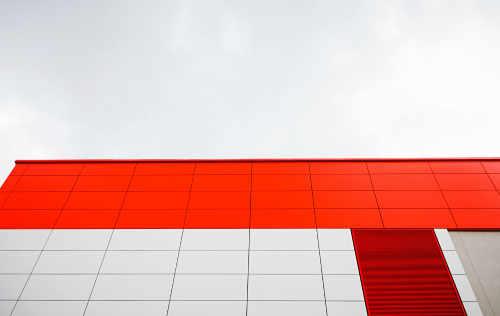
When comparing aluminum siding and aluminum cladding, the correct option depends on your requirements. Aluminum siding for homes is ideal for conventional designs and less complex installations. In case of damage, it is easier to repair or replace.
Aluminum cladding is more appropriate for modern homes or buildings that require better performance and a modern look. It might be more costly in the short run, but it has additional insulation and is more durable.
Maintenance and Longevity
Aluminum siding and aluminum cladding are both low-maintenance. To maintain their good appearance, cleaning occasionally is sufficient. Aluminum does not rot, swell, or need to be repainted every now and then like wood.
Due to its superior system design, aluminum cladding tends to work better under severe conditions. Aluminum siding is also durable, lasting for many years when properly installed and maintained.
Choosing the Right Option for Your Building
There are climate, budget, and design objectives, which are all relevant in the decision of siding vs cladding. Cladding could offer superior long-term protection in regions with severe weather. Aluminum siding may be very effective in less extreme climates at a lower price.
Being aware of the cladding vs siding differences enables homeowners and builders to make the right decision that is cost-efficient, appealing, and durable.
Conclusion: Making the Right Exterior Choice
The cladding vs siding debate is reduced to performance, design, and future objectives. Aluminum siding is a solution that is both durable and economical, and has a traditional appearance, whereas aluminum cladding is a solution that offers a more modern exterior system with increased protection and energy efficiency.
True Building Solutions is available to assist you if you are considering aluminum siding or cladding for your property. Our team has highly experienced aluminum siding contractors and trusted suppliers of aluminum cladding to provide credible outcomes. Contact us today to discuss your project and find the most suitable exterior solution for your building.
